Where to Find Treated Fence Posts Wholesale Near Me (And What to Look For)
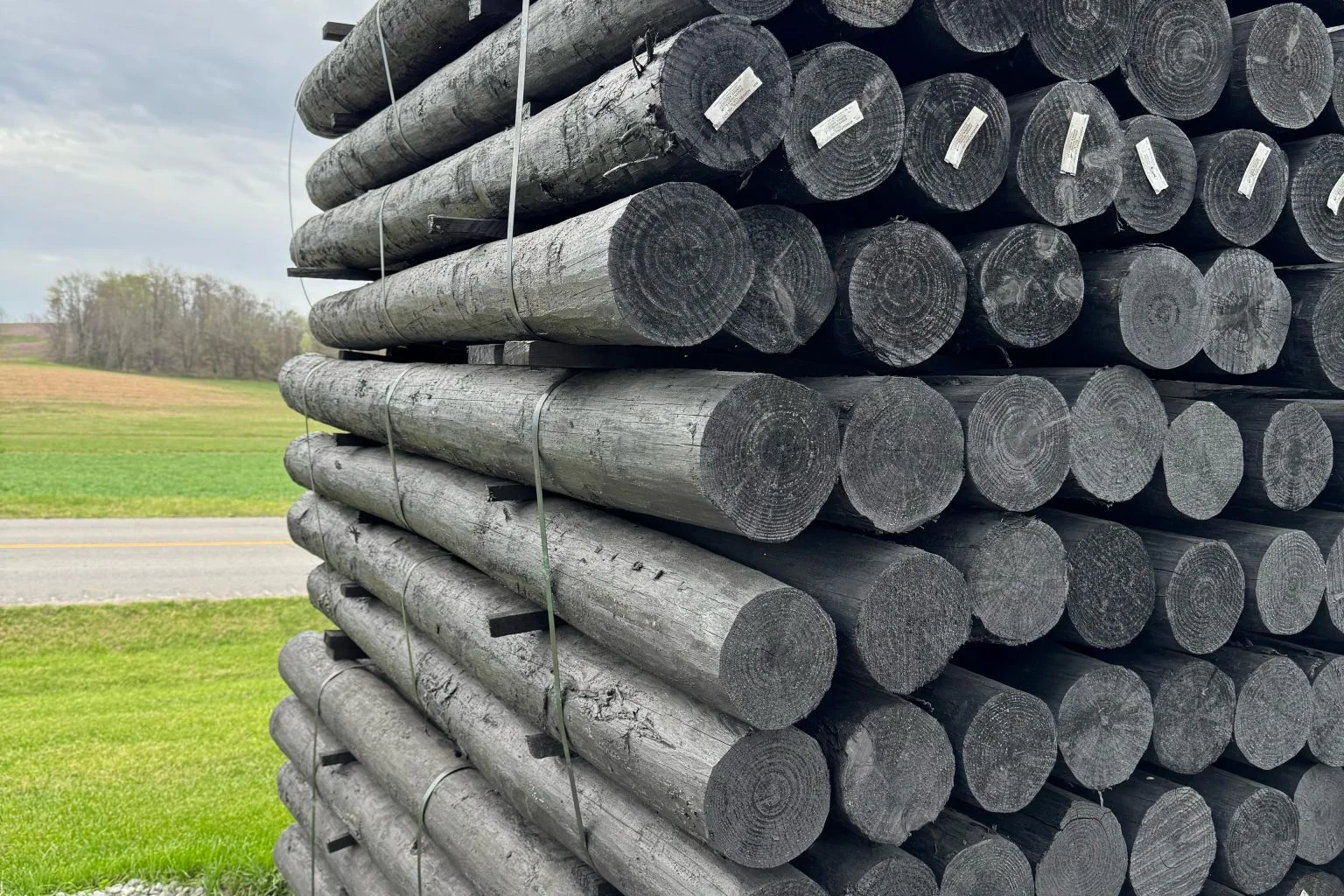
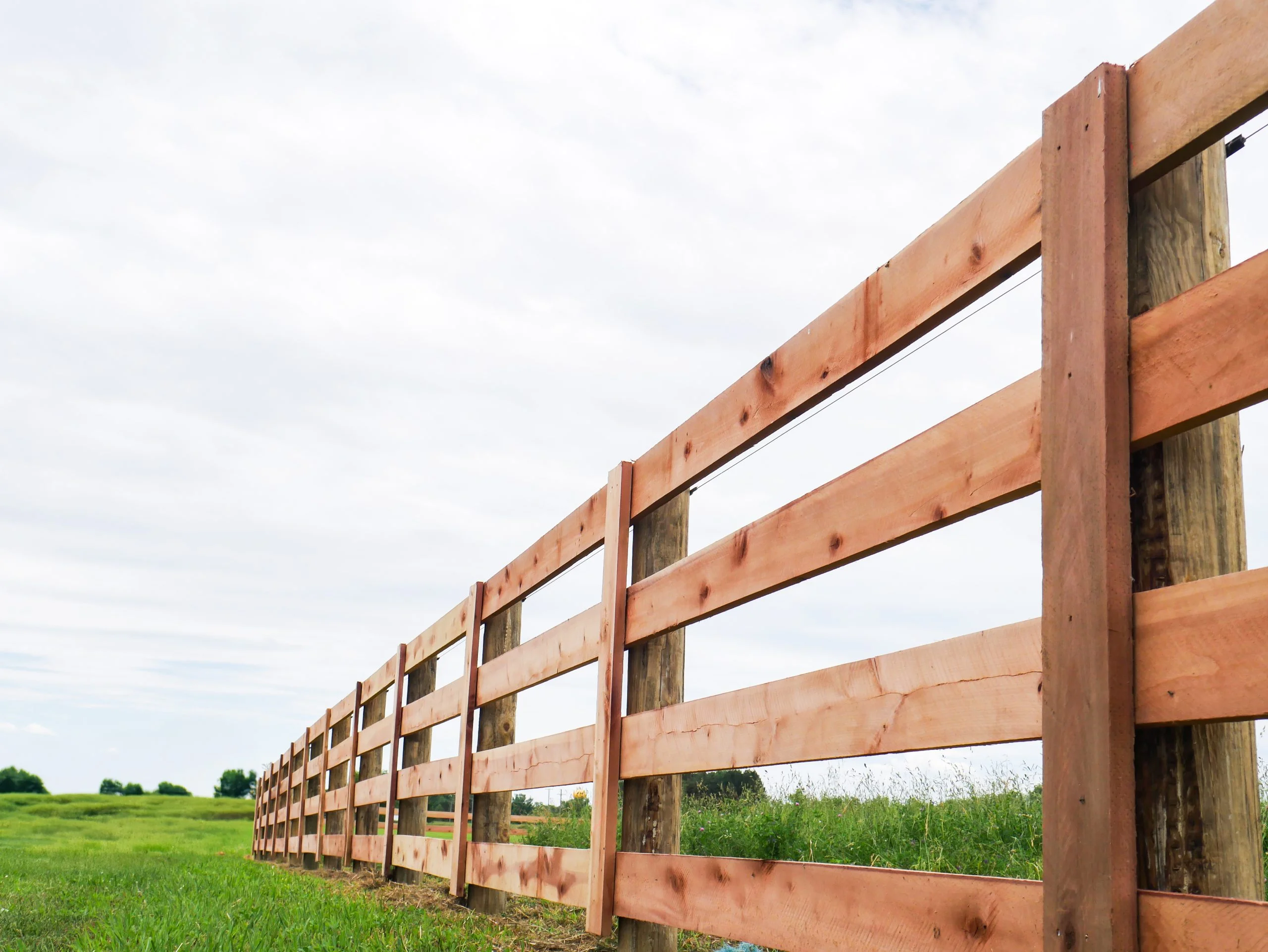
If you've been searching for treated fence posts wholesale near me, you already know the frustration: big box stores carry a limited selection, prices fluctuate, and staff rarely know the difference between a #1 and #2 grade post. For farms, orchards, ranches, and large residential properties across Michigan and the surrounding region, buying wholesale from a dedicated supplier changes the math entirely. Better pricing, consistent stock, and people who actually understand what you're building. This post breaks down what to look for when sourcing wholesale treated posts, how treatment and sizing affect your project, and what working with a specialty lumber supplier actually looks like in practice.
Why Buying Treated Fence Posts Wholesale Near You Makes Sense
Buying in volume isn't just about saving money per post, though that matters. It's about consistency. When you source a full run of posts from one supplier at one time, every post carries the same treatment retention level, the same species, and the same dimensions. That uniformity matters more than most buyers realize until they're halfway through a fence line and a box store order arrives with noticeably lighter posts that weren't held to the same standard.
For large farm fencing, board fence installations, or orchard trellis systems, you may be setting dozens or hundreds of posts in a single season. Driving to a retail location for two trips, then a third, then calling around because the local yard is out of 8-footers is a real problem. A wholesale supplier that stocks depth gives you a quote, confirms availability, and delivers. That's a different experience than retail.
Treated lumber fence posts also need to match the application. Fence posts in direct ground contact require a higher preservative retention level than above-ground lumber. At retail, this distinction often gets lost. Wholesale suppliers who specialize in post and structural lumber understand AWPA retention levels and can confirm you're getting the right product for ground contact or direct burial, not just whatever happened to come off the last truck.
If you're planning a large fencing project and want to get a wholesale quote on treated fence posts, working with a dedicated supplier is the faster path to accurate pricing and confirmed lead times.
What to Look for in Treated Lumber Fence Posts
Not all treated posts are the same, and the differences matter more in the ground than they do on a spec sheet. Here's how to evaluate what you're actually buying.
Species. Southern Yellow Pine is the most common species used for pressure-treated fence posts because it accepts preservatives well and holds up to mechanical stress. Cedar is naturally rot-resistant and widely used in privacy and residential applications. For heavy structural loads or livestock fencing, SYP is typically the right call.
Treatment retention. Posts going into the ground should be treated to UC4B or UC4C standards depending on the exposure. UC4B covers general ground contact, and UC4C is for critical applications like permanent structures or high-decay-risk soil conditions. If a supplier can't tell you the retention level, that's a problem.
Sizing. The diameter and length you need depends on the fence type, panel weight, and soil conditions. A standard treated fence post for a privacy fence runs 4x4 or 4x6, while livestock and farm board fence applications often call for 5- or 6-inch round posts. Setting depth should be roughly one-third of total post length, so a post in hard frost-prone ground needs more length than the above-ground height alone suggests.
End cuts and sealing. Fresh cuts on treated lumber expose untreated wood fiber. If you're cutting posts to length on site, field-applied end-cut preservative is required to maintain the treatment barrier. This is easy to overlook when ordering and important to do in practice.
Post Drivers, Delivery, and Getting the Job Done Efficiently
The posts are only part of the picture. How you drive them affects how long they last and how straight your fence runs. Hand-driving posts with a manual driver is manageable for a handful of repairs, but for a full fence line, the math shifts quickly in favor of mechanical equipment.
A Montana post driver mounted to a tractor or skid steer drives posts faster, straighter, and with less labor than any manual approach. The consistent force eliminates the off-angle hits that can split post tops or seat posts unevenly. In hard, rocky, or root-heavy soil, that consistency becomes essential rather than optional. On a full fence line, a hydraulic driver can cover ground in a fraction of the time, and the posts seat more reliably.
If you're comparing equipment options, the difference between manual and hydraulic post driving is covered in depth in our post on building H-braces for fence lines, which also touches on why corner and end post installation is worth doing right the first time.
Delivery logistics matter too. Large wholesale orders of treated posts add up in weight fast. Confirm with your supplier whether they deliver to job sites, what the minimum order looks like for free or reduced delivery, and how posts will be offloaded. Stacking posts directly on the ground can introduce moisture and staining before you've even started, so plan your staging area in advance.
Poles, Pilings, and Landscape Posts: Expanding Your Order
If you're already placing a wholesale order for fence posts, it's worth reviewing your full material list. Many suppliers who carry treated fence posts also stock wood utility poles, wooden utility poles for rural electrification or lighting, landscape timber, and structural pilings for docks or outbuildings.
Consolidating those orders with one supplier saves time and often reduces freight costs. Wood utility poles and wooden utility poles are typically southern yellow pine, pressure-treated to utility-grade standards, and available in a range of heights. If you're installing a corral light, a property entrance gate structure, or a rural power connection, sourcing those poles alongside your fence posts from a single supplier simplifies the job considerably.
A landscape post used for a timber retaining wall, garden border, or driveway marker has different sizing requirements than a structural fence post, but both can come from the same material run. Landscape timber and post products in standard sizes are often available as part of a wholesale order, especially from suppliers like Valente Lumber who carry a broader range of structural and dimensional treated wood products.
Our full product line for poles and pilings and landscape timber is available to browse if you want to pull together a complete material list before reaching out for pricing.
How to Choose the Right Supplier for Wholesale Treated Posts in Michigan
Not every lumber yard operates the same way, and not every yard is set up to handle large wholesale orders efficiently. Here's what separates a reliable wholesale post supplier from a general-purpose retailer trying to accommodate bulk buyers.
Stock depth matters. A supplier who regularly stocks hundreds of posts in multiple lengths and diameters can fill your order without substitutions or delays. A yard that carries two or three SKUs of treated posts isn't really a wholesale operation, even if they're willing to sell you a large quantity.
Species and grade transparency matters. Ask what species the posts are, what treatment retention level they carry, and whether they're kiln-dried after treatment (KDAT) or green. You should get a direct answer, not a shrug.
Pricing structure matters. True wholesale pricing is based on volume. If the per-post price doesn't move meaningfully when you go from 20 posts to 200, you're not getting wholesale value. Get a formal quote that shows per-unit cost at your target volume.
For Michigan-based projects, understanding your frost depth, soil drainage conditions, and relevant local code requirements also affects what you order. Our guide on choosing the right fence posts for Michigan properties covers the regional factors that affect post sizing and treatment requirements in more detail.
Frequently Asked Questions
What does "wholesale" actually mean for treated fence posts?
Wholesale pricing means you're buying in volume directly from a supplier rather than paying per-unit retail rates. Most wholesale suppliers set a minimum order quantity, and the per-post price drops as volume increases. For large fencing projects, the savings on material cost alone can be significant. It also typically means you're working directly with a supplier who specializes in this material rather than a general hardware store that stocks a limited range.
What treatment level do fence posts need for ground contact?
Posts set directly in the ground should meet UC4B retention standards at minimum. This means a higher concentration of preservative in the wood fiber, which slows decay in the high-moisture environment of a buried post. UC4C is specified for more critical applications, like permanent structural posts in high-decay-risk soils. If you're not sure what your project requires, a knowledgeable supplier can help you confirm the right spec before you order.
Can I order wood utility poles or landscape timber through the same supplier?
Yes, and it's usually the most efficient approach. Suppliers who specialize in treated structural lumber often carry a broader product range, including wooden utility poles, landscape timber, round posts, and pilings. Bundling your material order reduces freight trips, simplifies invoicing, and often gives you more leverage on pricing across the board. Check what the supplier stocks beyond fence posts before placing your order.
How do I know how many posts to order?
Start with your fence line length and your planned post spacing. For most board fence and livestock applications, posts are set 8 to 10 feet apart. Divide your total linear footage by that spacing, then add posts for corners, gates, and end braces, which require additional posts beyond the line count. A reliable rule of thumb is to add 10 to 15 percent to your calculated number to account for corners and contingencies. Getting the count right before you order wholesale avoids both shortfalls and excess.
Ready to Source Treated Posts for Your Next Project?
Large projects deserve suppliers who understand what you're building. Legacy Post carries treated fence posts, poles, and structural lumber products for farms, ranches, orchards, and property owners across Michigan who need consistent material, honest pricing, and people who know the product. If you're ready to put together a material list or get pricing on a wholesale order, reach out directly. Contact Legacy Post to talk through your project, or use our online quote form to get the process started.
Quality You Can Trust
Experience the quality of Legacy Post & Supply products firsthand. Contact us today to discuss how we can help or to request a free quote.