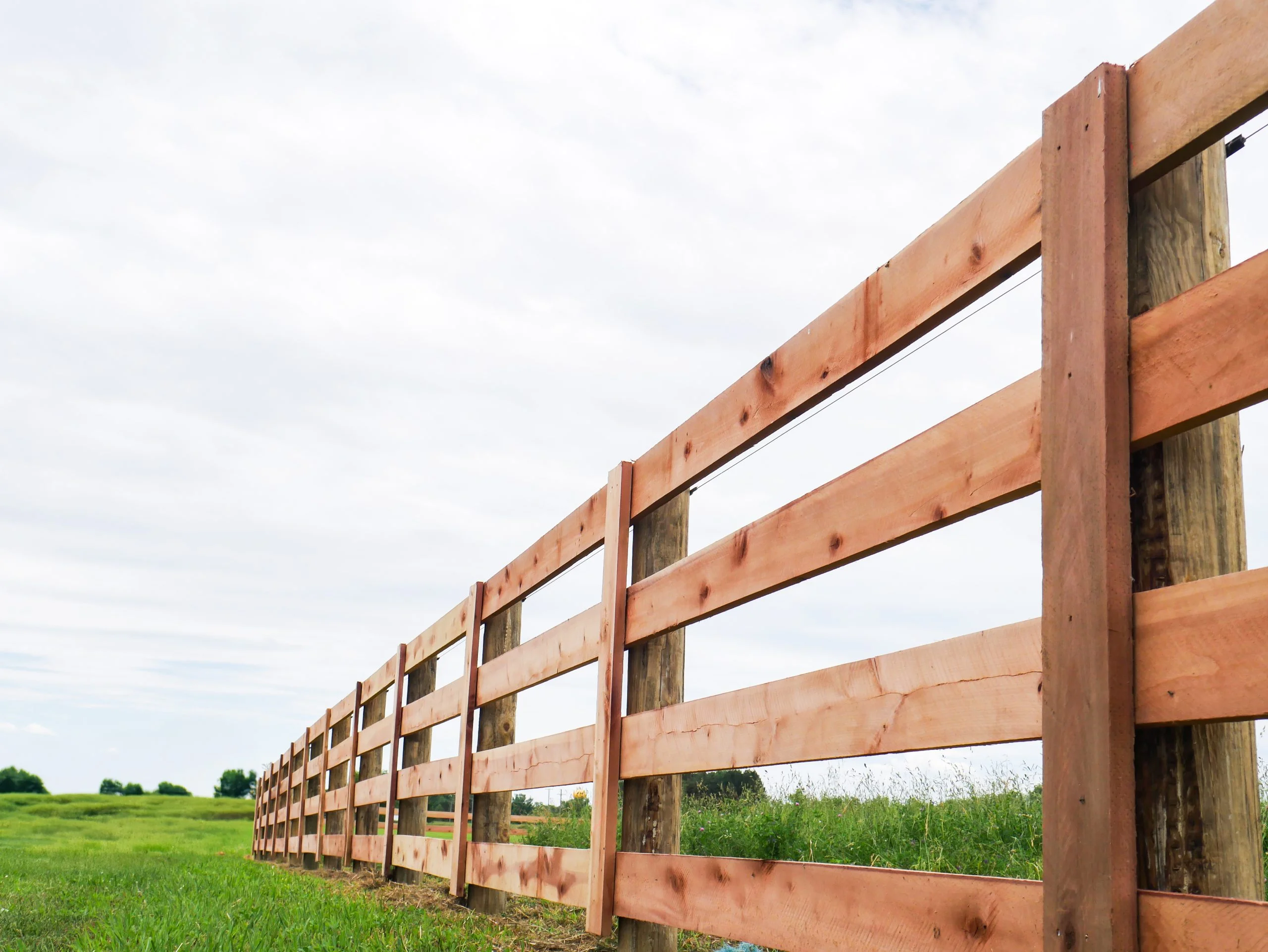
How to Choose the Right Fence Posts for Your Property in Michigan
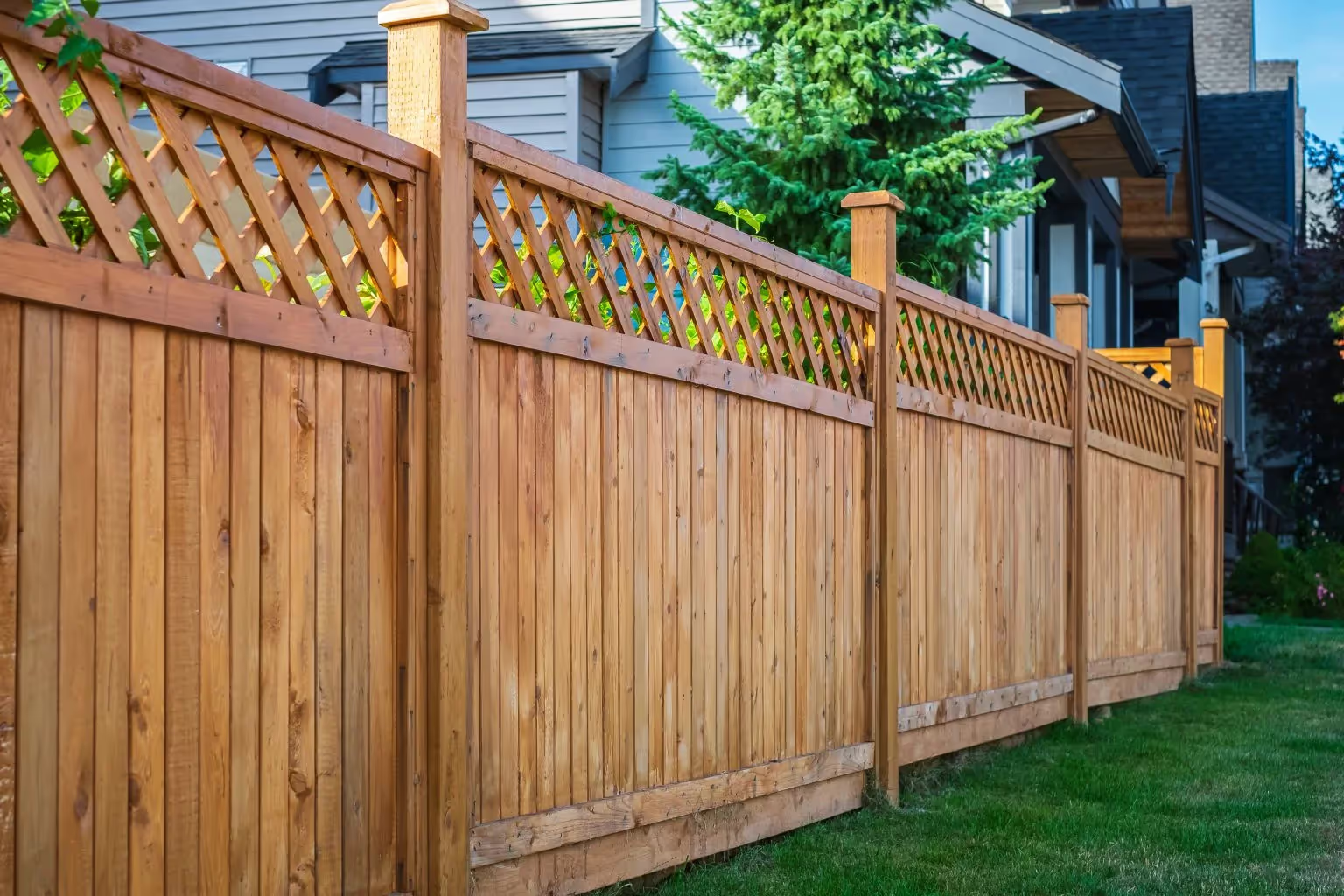
Choosing the right fence posts affects how long your fence lasts, how well it holds up, and how much maintenance you deal with later. In Michigan, soil moisture, freeze and thaw cycles, and seasonal weather shifts make that decision even more important.
You need posts that match your project, your soil, and your long-term goals.
Understanding Different Types of Fence Posts
Not all fence posts perform the same. Each type serves a different purpose depending on use and environment.
Treated Fence Posts
These are the most common choice for general fencing.
- Designed for ground contact
- Resistant to moisture and decay
- Used for residential, farm, and commercial fencing
They work well for most Michigan properties because they handle changing weather conditions.
Creosote Fence Posts
Used for heavy-duty agricultural applications.
- Deep treatment for long-term soil contact
- Strong resistance to rot and insects
- Ideal for large pastures and long fence lines
If you need durability with minimal replacement, this is a strong option.
Tapered Posts
Designed for agricultural efficiency.
- Easier to drive into the ground
- Common for livestock fencing
- Good for long runs of fence
These help speed up installation on large properties.
Square Posts
Used where structure and appearance matter.
- Clean, uniform look
- Works well with board fencing
- Common in residential or visible areas
They balance strength with appearance.
Lodgepole Pine Posts
A reliable natural wood option.
- Straight grain for easy installation
- Consistent sizing
- Used in agricultural and residential fencing
They are a practical option for many standard fence builds.
Choosing Based on Your Application
The type of fence you are building should guide your decision.
Livestock Fencing
You need strength and durability.
- Creosote or treated posts perform well
- Tapered posts help with installation
- Larger diameters handle pressure from animals
Residential Fencing
Appearance and consistency matter more.
- Square posts provide clean lines
- Pressure painted or treated posts improve finish
- Standard treated posts work for most layouts
Agricultural and Large Property Fencing
Efficiency and long-term performance matter most.
- Tapered posts reduce install time
- Treated or creosote posts improve lifespan
- Lodgepole pine offers consistency across long runs
Michigan-Specific Considerations
Michigan conditions create stress on fencing materials. You need to plan for:
- Freeze and thaw cycles that shift soil and loosen posts
- Moisture levels that increase the risk of rot
- Temperature swings that affect long-term durability
Treated posts are essential in these conditions. Untreated wood will break down quickly when exposed to soil and moisture.
Common Mistakes to Avoid
Many fence issues come from poor material selection.
- Choosing untreated posts for ground contact
- Using undersized posts for heavy loads
- Spacing posts too far apart
- Ignoring soil conditions
Fixing these mistakes later costs more than doing it right from the start.
When to Use a Post Driver
Manual installation slows you down and creates inconsistency.
Using a hydraulic post driver allows you to:
- Install posts faster
- Maintain straight alignment
- Work efficiently in hard soil
This is especially important for large properties and agricultural fencing across Michigan.
Build Your Fence with the Right Foundation
Fence posts determine how well your entire system performs. When you choose the right type, size, and treatment, you reduce maintenance and extend the life of your fence.
Legacy Post & Supply provides fence posts for farms, residential properties, and commercial projects across Michigan and nationwide. If you need help selecting the right materials, our team can guide you based on your property and goals.
Quality You Can Trust
Experience the quality of Legacy Post & Supply products firsthand. Contact us today to discuss how we can help or to request a free quote.