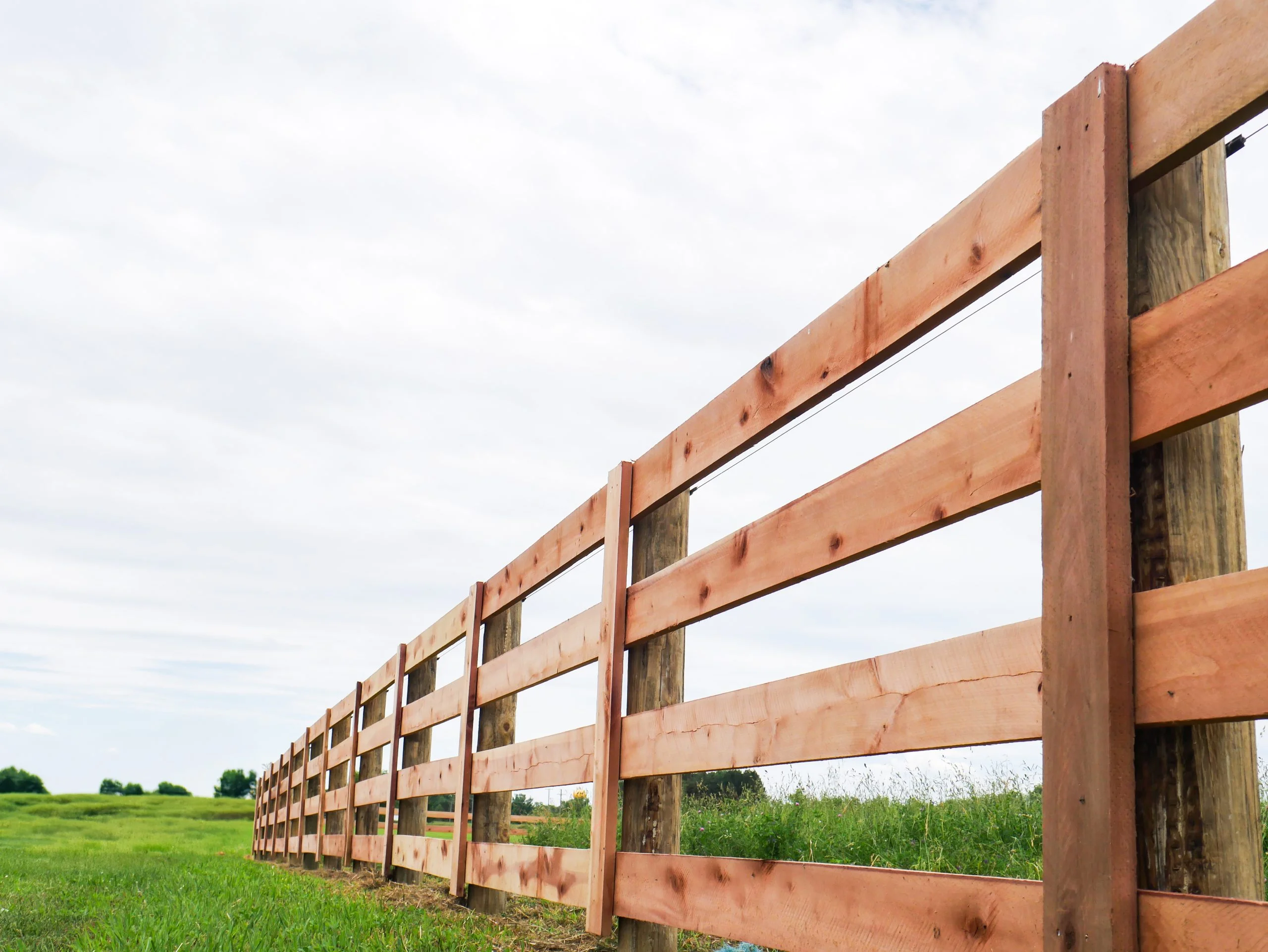
What Affects the Cost of a Wood Fence in Michigan?
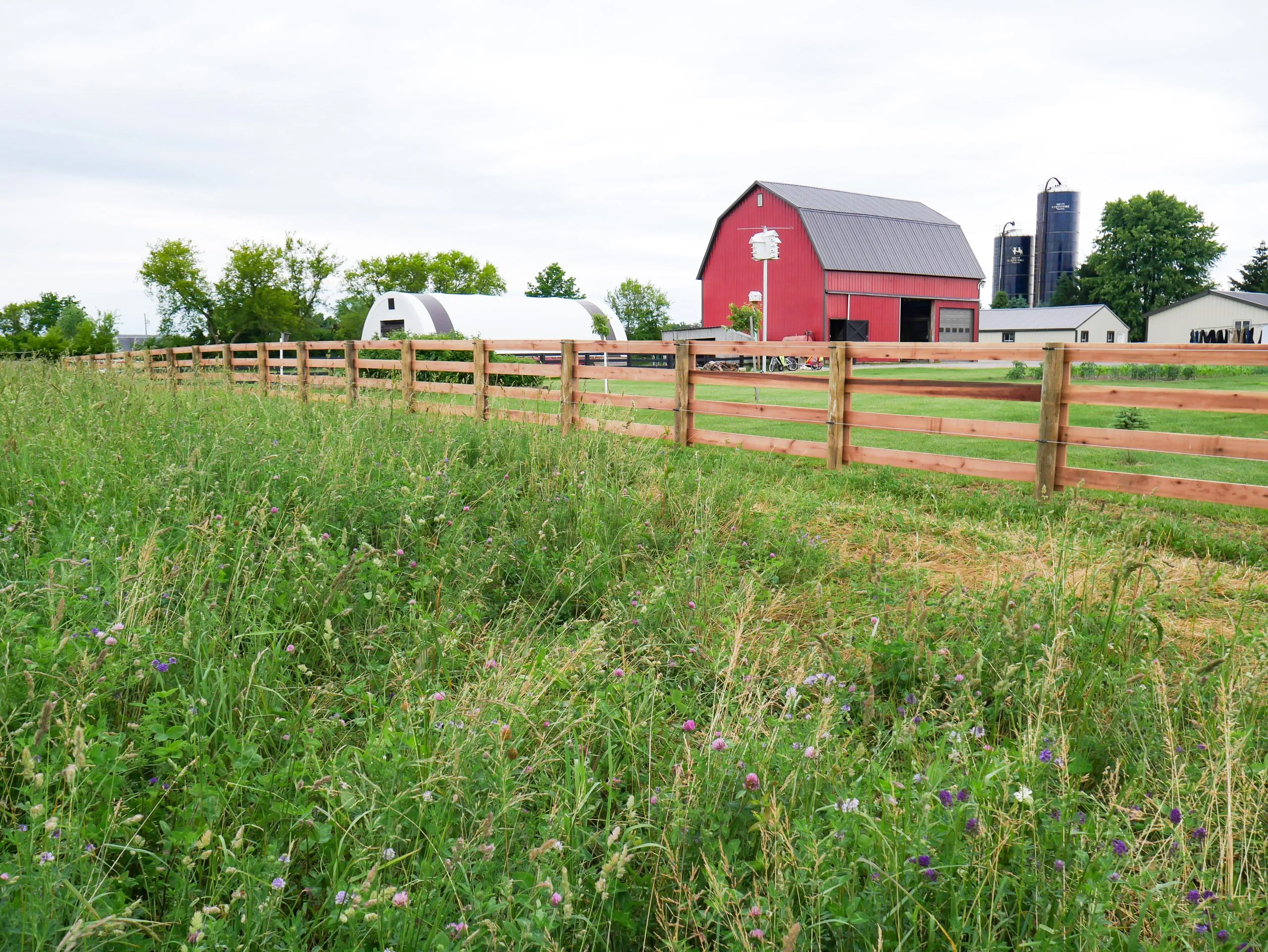
A wood fence is one of the most cost-effective ways to add security, privacy, and value to a property. But there is no single price for a fence. What you pay depends on the fence type, the materials, the length of your run, your soil, and whether you install it yourself or hire a crew.
This guide explains the factors that shape wood fence pricing in Michigan so you can plan your project and get an accurate quote.
What Affects the Cost of a Wood Fence
Several factors move the final number up or down:
- Fence type — privacy, board, and split rail each use different amounts of material
- Material — the post type, wood species, and whether boards are pre-painted
- Linear footage — longer runs usually lower your cost per foot
- Post spacing and size — heavier corner and gate posts cost more
- Terrain and soil — slopes, rock, and hard clay add labor
- Labor — professional installation versus doing it yourself
How Fence Type Affects Price
The style of fence you choose is the biggest driver of material volume, and therefore cost.
Privacy Fence
Privacy fencing uses the most material. Taller panels and tightly spaced or solid boards mean more lumber per linear foot, which raises the price compared to other styles.
Board Fence (Horse and Livestock)
Board fencing cost scales with the number of boards. A 3-board fence uses less material than a 4-board fence, so board count is a key decision when budgeting a pasture or paddock.
Split Rail or Post-and-Rail
Split rail and post-and-rail styles use fewer materials than privacy fencing, which generally makes them a more economical option for marking boundaries.
Materials vs. Installed Cost
Labor is often the largest line item in an installed fence. If you supply your own materials and install the fence yourself, you can reduce your total cost significantly.
Buying materials directly from a supplier like Legacy Post & Supply helps you control both cost and quality, especially on larger projects where truckload shipments apply.
Where Your Money Goes
- Posts — the foundation of the fence; treated fence posts cost more than untreated but last far longer
- Boards or panels — privacy boards and board fencing vary by grade and finish
- Hardware — screws, staples, brace wire, and gates
- Equipment — augers or a post driver for setting posts
Michigan-Specific Cost Factors
Michigan's climate adds a few considerations that affect both price and longevity:
- Frost depth — posts must be set below the frost line, which means deeper holes and more labor
- Freeze and thaw cycles — make treated, ground-contact-rated posts essential to avoid early replacement
- Moisture — untreated wood fails quickly, so investing in treated material upfront saves money long term
Choosing the right materials the first time is almost always cheaper than repairing or replacing a failing fence.
How to Budget for Your Fence
- Measure your total linear footage
- Decide on fence type and height
- Count gates and corners, which need heavier posts and bracing
- Choose treated materials rated for ground contact
- Request a material quote based on your measurements
Get an Accurate Quote
Because every project is different, the only way to know what your fence will cost is to price the actual materials for your layout. Legacy Post & Supply provides treated fence materials for residential, farm, and commercial projects across Michigan and nationwide.
Request a free quote with your measurements and our team will help you plan materials and pricing. Contact us with any questions.
Quality You Can Trust
Experience the quality of Legacy Post & Supply products firsthand. Contact us today to discuss how we can help or to request a free quote.